
The full-stack IIIF platform
for institutional collections
Glycerine Workbench is a hosted IIIF platform for image
hosting, IIIF manifest generation, collaborative annotation
and publishing.
Curators and researchers bring digitised images together,
annotate and interpret them collaboratively, and publish
them as IIIF, turning isolated images into a shared,
evolving map of knowledge.
One platform, from first upload to published archive
One seamless workflow
From the first image you upload to a fully published, publicly accessible IIIF archive, Glycerine Workbench keeps every step in one place.
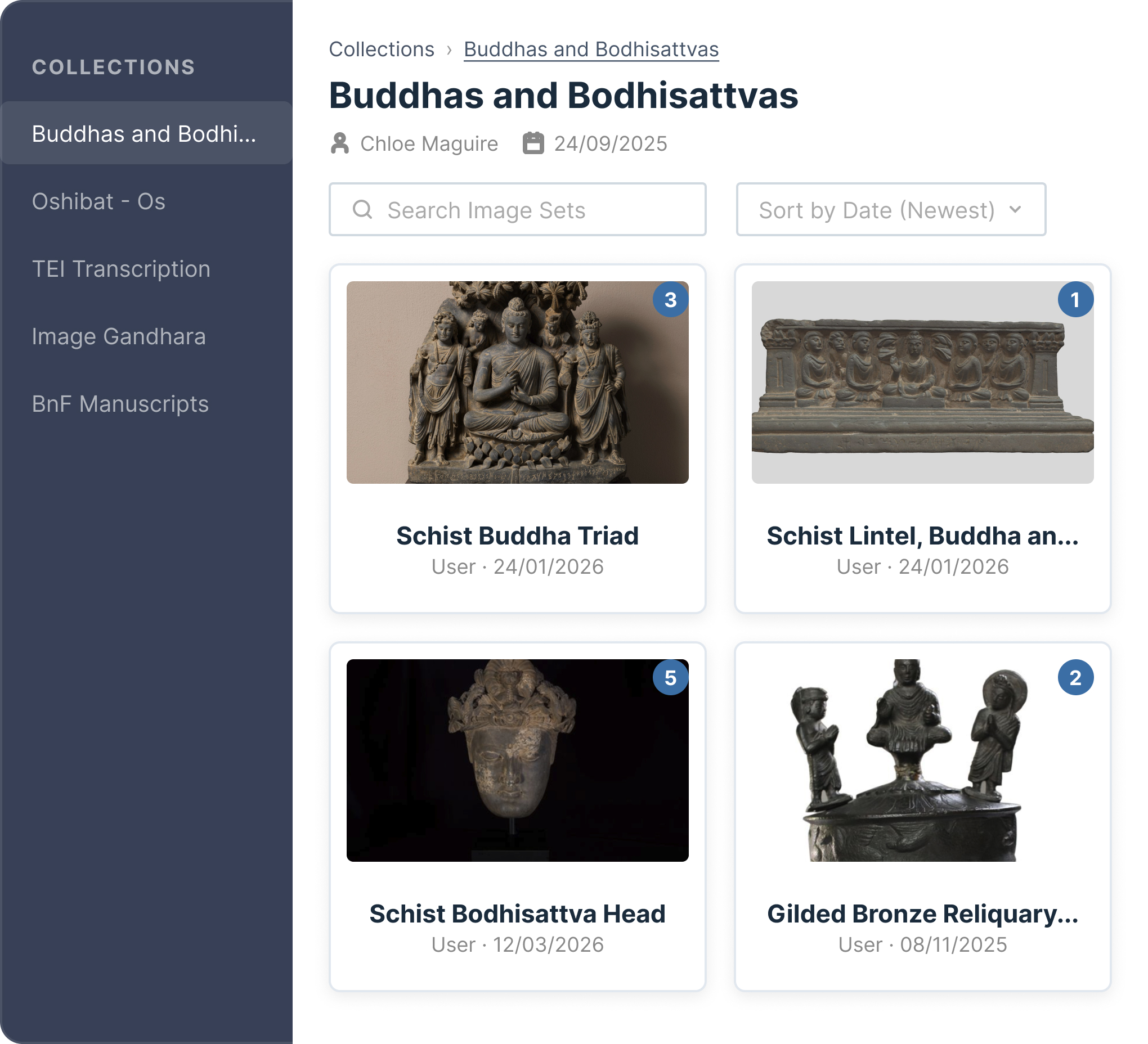
Collect

Create multiple collection sets from images uploaded locally, from IIIF or through your institution.
Collect
- Bring in images from your own uploads, other institutions or existing IIIF sources.
- Add images already published online via persistent URLs.
- Organise images into multiple collections, with multiple image sets inside each
- Pull material in directly from partner archives and repositories
Annotate

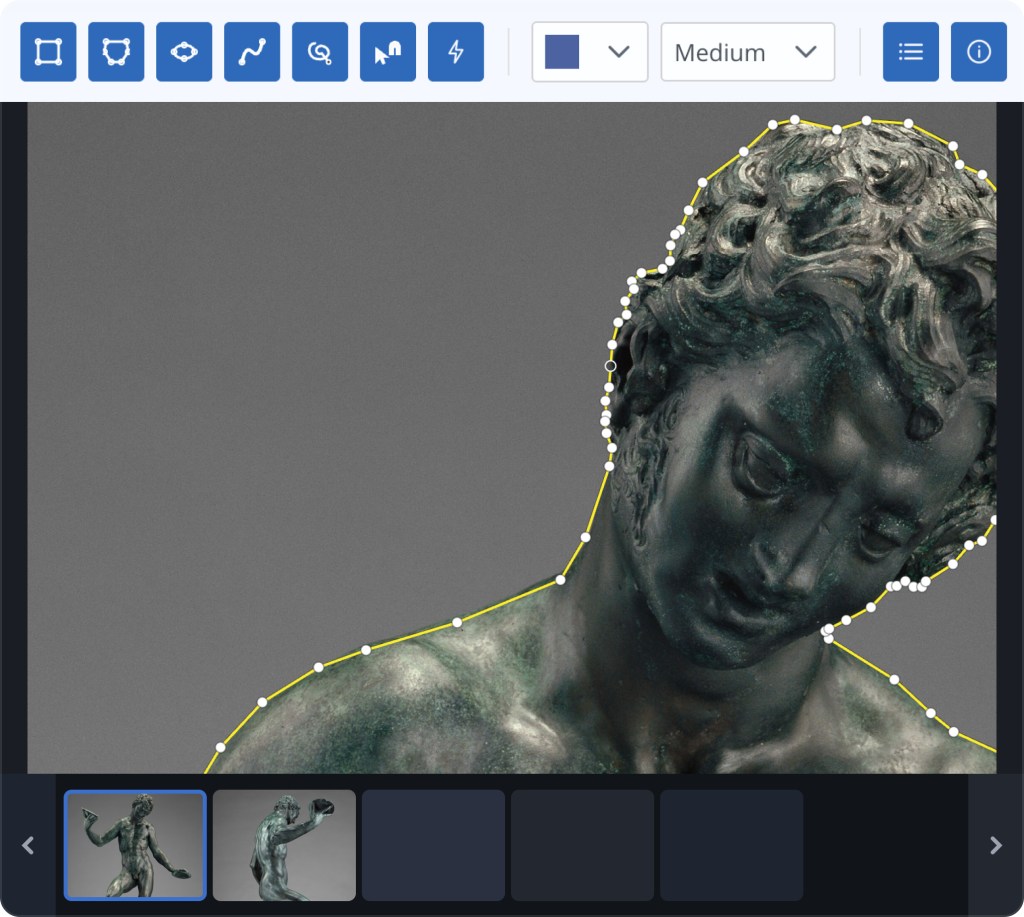
Tag, describe, and link details directly on high-resolution images, in multiple languages and by multiple authors.
Annotate
- Mark up areas of interest directly on the high-resolution image canvas.
- Draw detailed annotations with a range of tools including rectangles, freehand shapes, intelligent scissors and AI-assisted segmentation.
- Combine tags, descriptions, links and locations in a single annotation.
- Tag with consistent terms and link to related external digital resources and controlled vocabularies.
- Work across multiple languages.
Design

Build your own templates with flexible fields for different layers across text, image, links and tags.
Design
- Choose a preset template or build your own custom fields.
- Build your own custom templates to suit your specific project goals and apply different templates across your collection.
- Set your own custom details, fields, and taxonomies to image sets.
- Colour-code annotation outlines to signify different themes, areas and content.

Collaborate

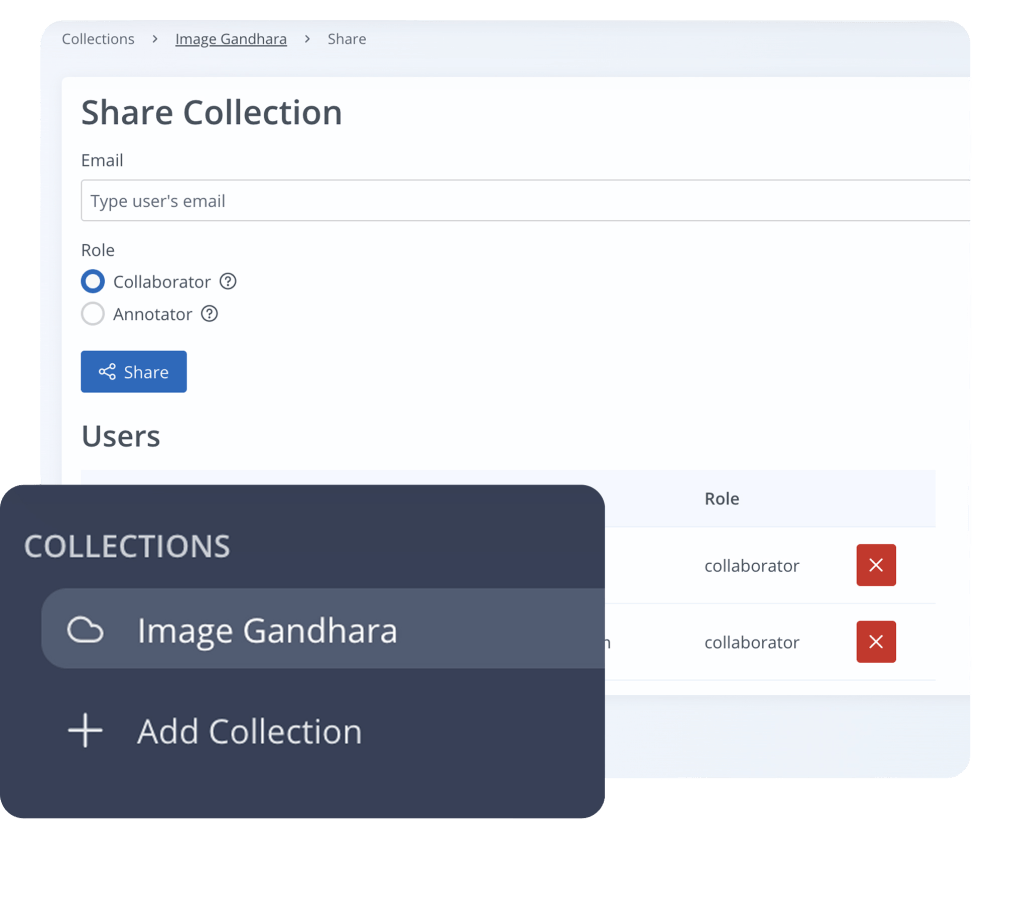
Share a collection and multiple annotation sets, with collaborator control and selective publishing.
Collaborate
- Share a collection with your research team to build knowledge together.
- Decide collaborators and annotators, controlling who can create image sets and edit annotation sets.
- Keep some material private while making other parts public.
- Run multiple annotation projects concurrently on the same primary collection.
Publish

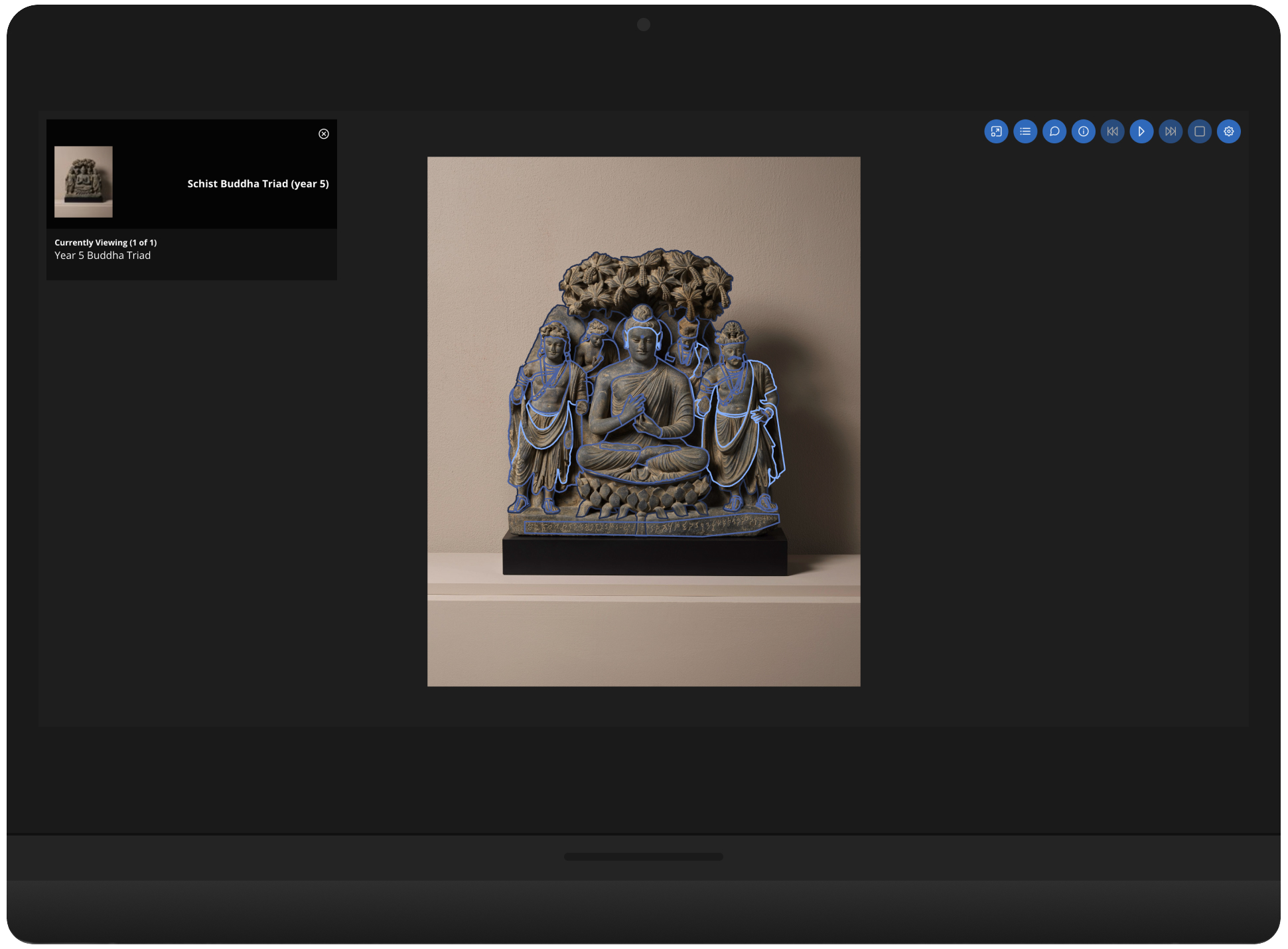
Publish image sets and annotation sets to a public URL, complete with a IIIF manifest.
Publish
- Publish your high-res images and annotations as standard IIIF manifests that anyone can view.
- Get a shareable public web address for image and annotation display.
- Selective publishing, choosing which image sets and annotation sets are ready to go live separately.
- Keep everything properly linked, structured and compliant for citations.
Share

Archive images and export a IIIF manifest so your work stays discoverable and citable.
Share
- Embed Glycerine Viewer into your research website, allowing for public interaction and engagement with your collections.
- Export your research in open, standardised data formats.
- Receive a shareable public URL, embed code and IIIF manifest for every published set.
- Give your collaborative projects a lasting, stable and citable online home.


Create Collections
Bring images together and organise them into virtual collections, grouped by theme, period or project. Glycerine Workbench supports open standards, so your collections stay compatible with your institution’s systems and sustainable into the future.

Add Annotations
Engrave knowledge across your collection by adding notes, tags and links to images. Invite collaborators to contribute their own annotations, so every image gains more context with every contributor.

Display and Share
Published collections integrate into existing platforms, allowing colleagues, students, and the public to explore the work in a range of digital environments. Publish your collection in Glycerine Viewer, a gallery-quality IIIF viewer, or embed it directly in your own site.
Curate virtual collections
Host images online
Upload and publish high-resolution images for research and public access.
Cross-institutional collaboration
Bring together images from multiple institutions in a single virtual collection.
High level thematic structure
Organise annotations using controlled vocabularies, semantic tags and thematic structures. Add critical analysis and interpretation in multiple languages.


Rich & immersive annotation
Add layers of detail
Mark precise areas of an image to draw attention to objects, features, people or other details.
Use precise drawing tools
Create detailed shapes and regions to identify and analyse specific areas within an image.
Interpret your collections
Add descriptions, references, links, vocabulary to visual material, deepening the shared knowledge of your collections.
Transform research
Connect images to research
Link images with research, historical context, references and related resources.
Visualise your findings
Publish research and interpretation alongside the annotations they relate to.
Create collaborative research environments
Work with other researchers to annotate, interpret and build knowledge.
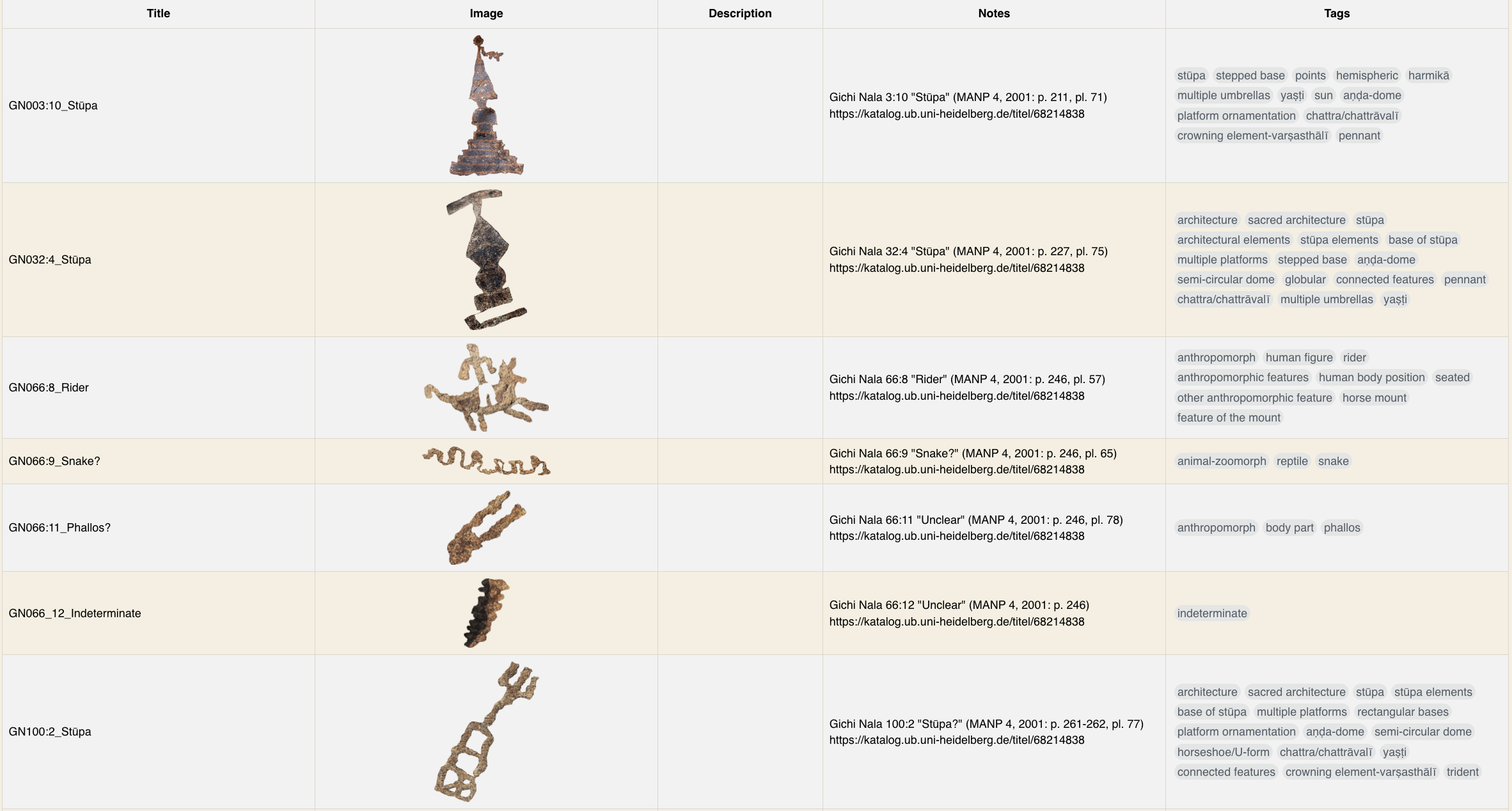

Work in your existing systems
Infrastructure integration
Integrate Glycerine Server and Glycerine Editor with the systems and workflows your institution already uses.
Sophisticated IIIF implementation
Glycerine Image Server is a scalable, high-performance IIIF image server built on Cantaloupe, providing a controlled environment for resource access and management.
Connect to existing repositories
Bring content from existing digital collections and repositories into Glycerine Workbench.
Built for researchers and curators, with the infrastructure institutions and developers need




Featured Projects
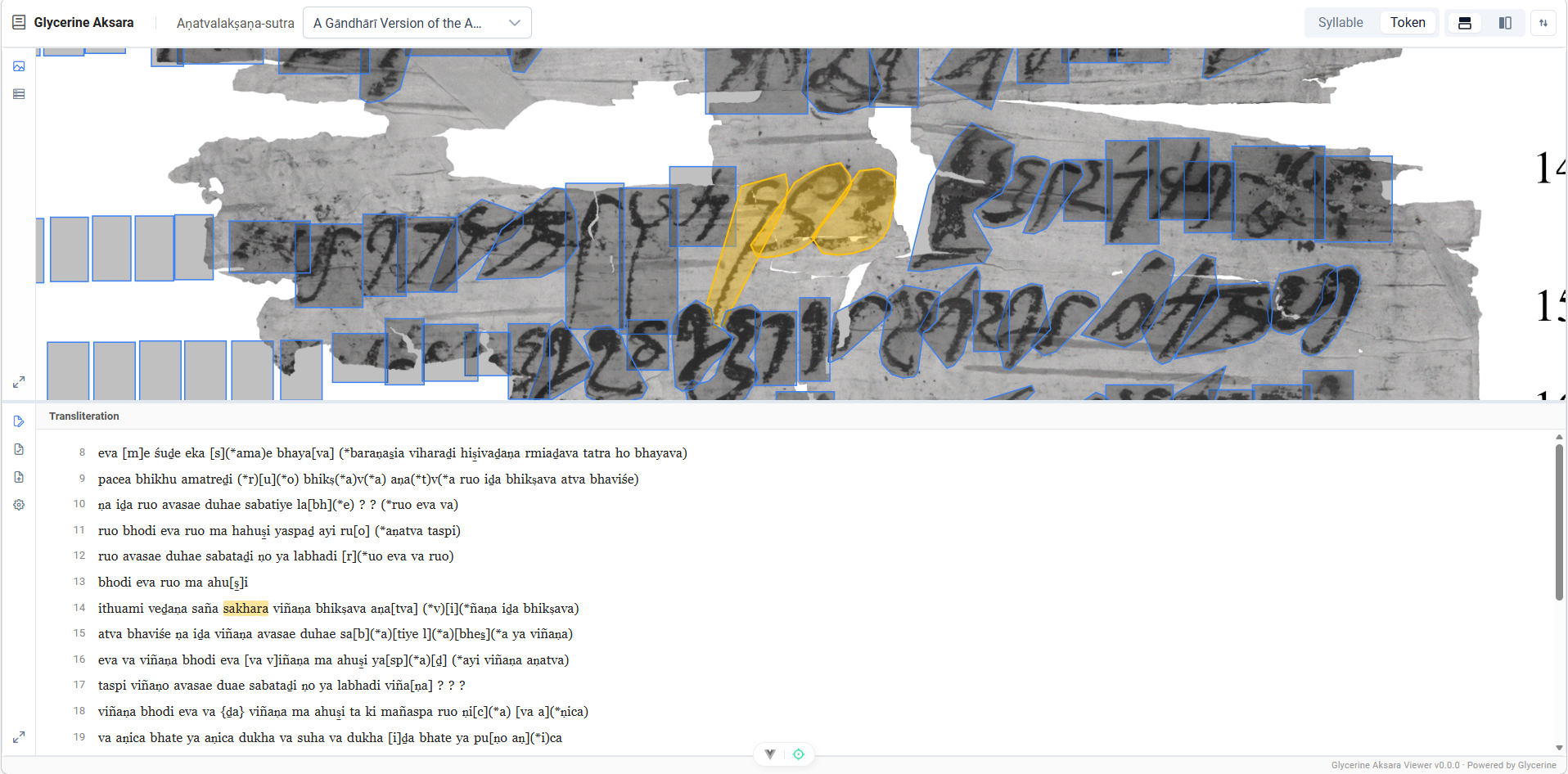
Gandharan Manuscripts
University of Sydney
The Buddhist manuscripts of ancient Gandhara (1st century BCE–3rd century CE), written in Gandhari language and Kharosthi script, are among the earliest surviving witnesses to Buddhist thought.
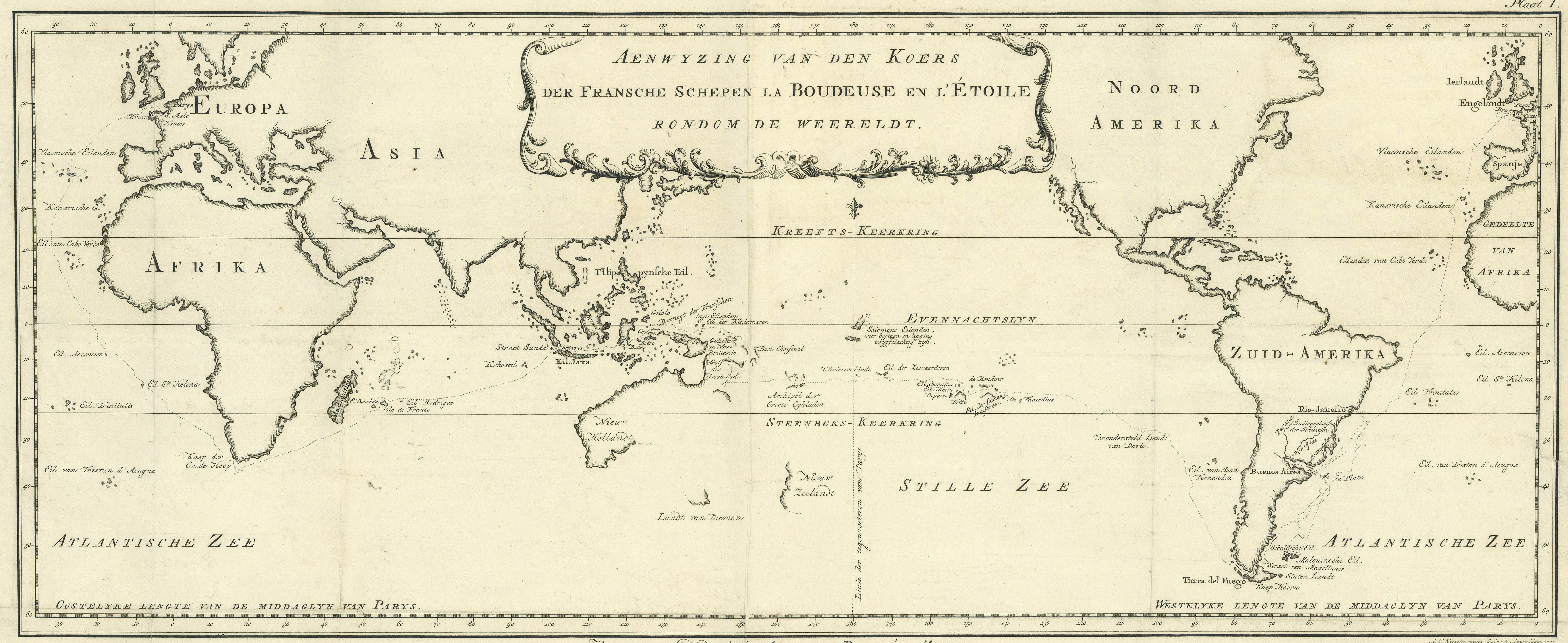
Opening Australia’s Multilingual Archive
University of Sydney
This project mobilises Australia’s underused non-English language archives to reinterpret migrant and settler histories, examining how language shapes identity and belonging, and developing a framework for understanding cultural pluralism in Australia.
Buddhas and Bodhisattvas
Art Gallery of NSW, Chau Chak Wing Museum, National Gallery of Australia, Peshawar University, Power Institute, The Met.
Buddha and Bodhisattva statues are among the earliest anthropomorphic images of the Buddha; this project undertakes an art-historical analysis of their iconography to clarify the doctrinal and ritual meanings embedded in these forms.
Our Partners




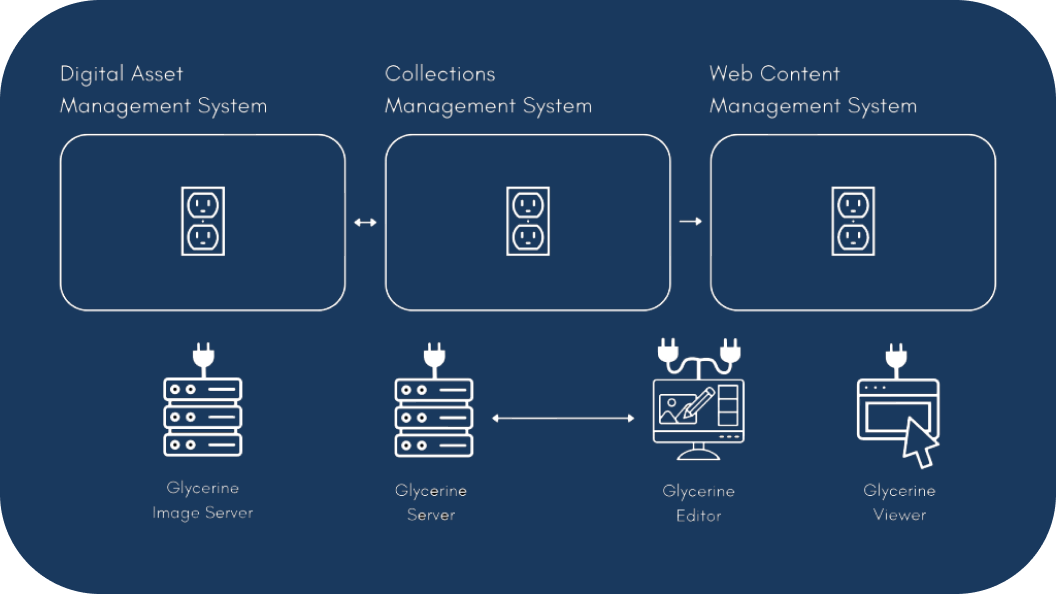
Seamless Integration Without the Rebuild
Glycerine Server provides the back-end data model, IIIF services and Glycerine Server API to integrate IIIF image hosting, collections and annotation into your institution’s existing infrastructure. Glycerine Editor brings the annotation toolset directly into your collections management workflow.