
One IIIF platform, built from modules
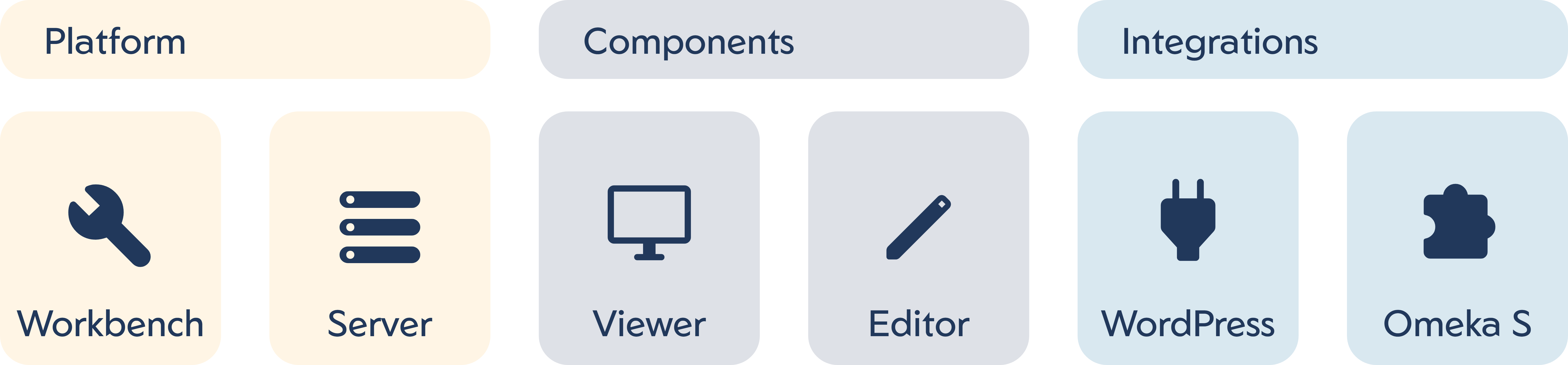
Glycerine IIIF platform is built from modules that together cover the whole IIIF workflow: hosting images, generating IIIF manifests, annotating and publishing. Use Glycerine Workbench as a hosted service, build your own application on Glycerine Server, embed Glycerine Viewer or Glycerine Editor, or present IIIF collections in WordPress and Omeka S with our integrations.
Platform
Glycerine Workbench is the web application researchers, curators and students work in. Glycerine Server is the back end and API behind it, and behind any other application built on Glycerine IIIF platform.
Glycerine Workbench
Glycerine Workbench provides image hosting, IIIF manifest generation, annotation tools, configurable templates, and end-to-end workflows for researchers and curators to collaborate on projects across repositories.
Images can be organised into collections and shared with collaborators. Sets of annotations can combine semantic tags from domain-specific vocabularies with critical analysis in multiple languages. Fully IIIF-compliant, annotated images can be published as research outputs and archived in sustainable formats.
Licence: proprietary. Glycerine Workbench is not open source and its source is not publicly released. It is available as a hosted subscription service, and can also be deployed into an institution’s own infrastructure under a custom arrangement.

Glycerine Server
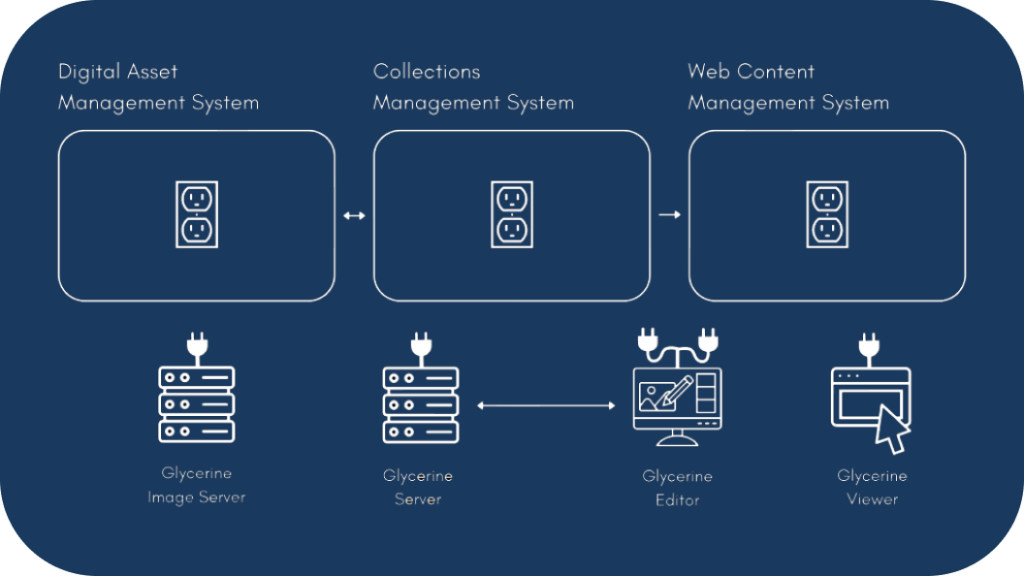
Glycerine Server provides the back-end data model and APIs for integration with the institution’s digital asset and collections management infrastructure. It provides access to all the IIIF, collection and collaboration features of Glycerine IIIF platform. Also included is Glycerine Image Server—a scalable, high-performance IIIF Image server built on Cantaloupe—that provides a controlled environment for resource access and management.
Click Try Integration to explore our live demo of integration: it gives an example of aggregating multiple annotation collections with an authoritative IIIF manifest using Glycerine Editor and Glycerine Server as the annotation data store.
Licence: proprietary. Glycerine Server is not open source and its source is not publicly released. It is available as a hosted subscription service, and can also be deployed into an institution’s own infrastructure under a custom arrangement. Subscription use is governed by the Server and Editor terms and conditions.
Components
Glycerine Viewer and Glycerine Editor are JavaScript libraries. Glycerine Workbench is built with both, and both can be embedded in other applications: Glycerine Viewer freely, as open source, and Glycerine Editor under a custom arrangement.
Glycerine Viewer
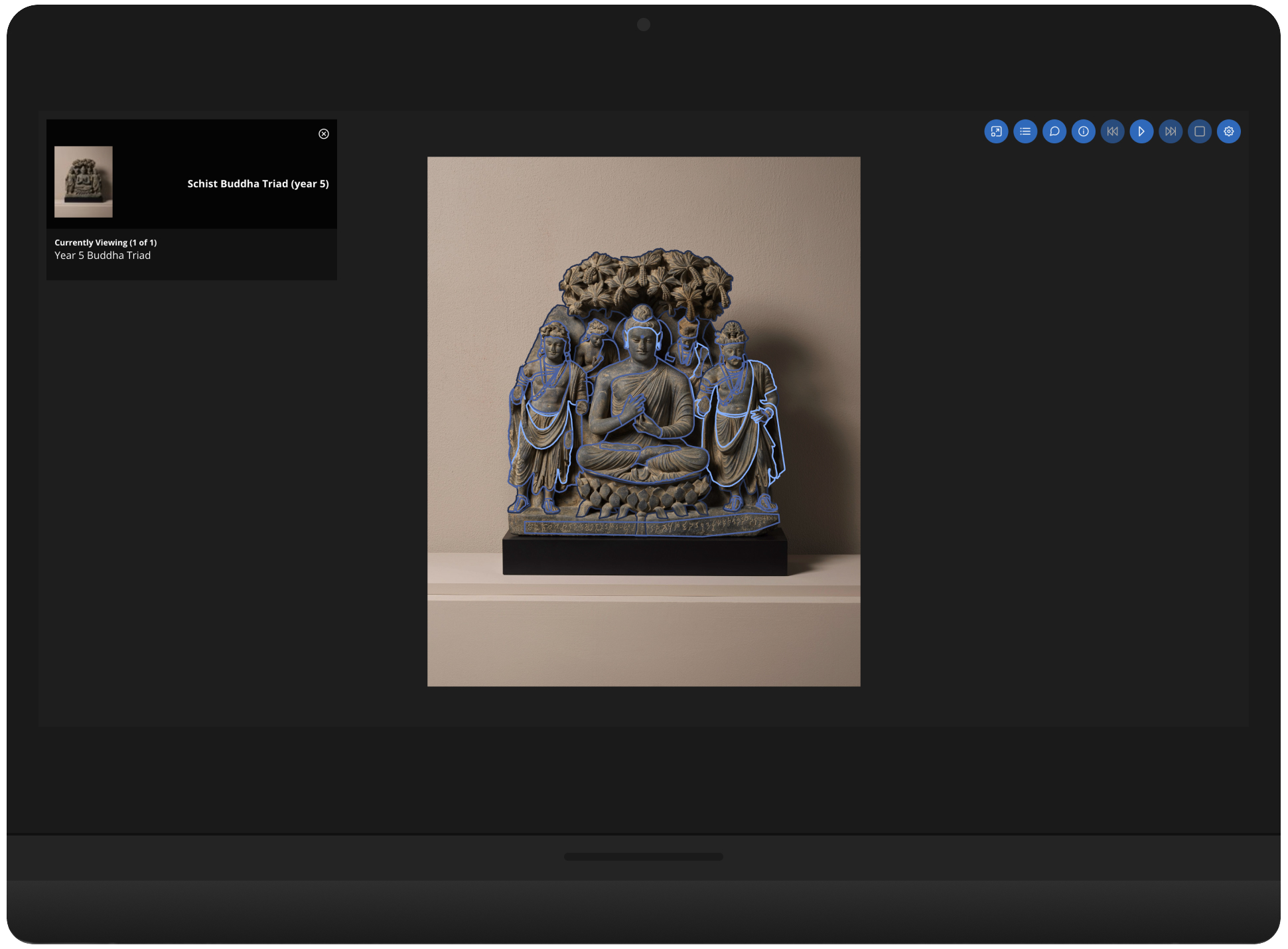
Designed for research, gallery, and museum use cases, Glycerine Viewer has been released as an open-source IIIF viewer. It supports the IIIF Presentation API and displays manifests and compliant annotations built with other tools.
Developed with a contemporary UI framework, Glycerine Viewer has an elegant interface and provides a sophisticated annotation feature set. Glycerine Viewer can be a component in a Vue 3 application or embedded in any JavaScript framework. Go to Glycerine Viewer on GitHub for source code and integration documentation.
Licence: open source, MIT. You can embed Glycerine Viewer, modify it and host it yourself, including commercially.
Glycerine Editor
Glycerine Editor provides the annotation editing features of Glycerine Workbench within a delightfully intuitive Glycerine Viewer user experience. Curators can create and edit annotations on a IIIF image from within the institution’s existing collections management workflows. GLAM institutions and cultural aggregators can integrate Glycerine Editor into their content management system and support researchers and external contributors to add layers of annotations to images from their site.
Licence: proprietary. Glycerine Editor is not open source and its source is not publicly released. It is not a hosted service. It is a module integrated into your existing platform — digital asset management, collections management or content management — under a custom arrangement. Subscription use is governed by the Server and Editor terms and conditions.

Integrations
Integrations present IIIF images and annotations inside a platform you already run.
Glycerine Plugin for WordPress
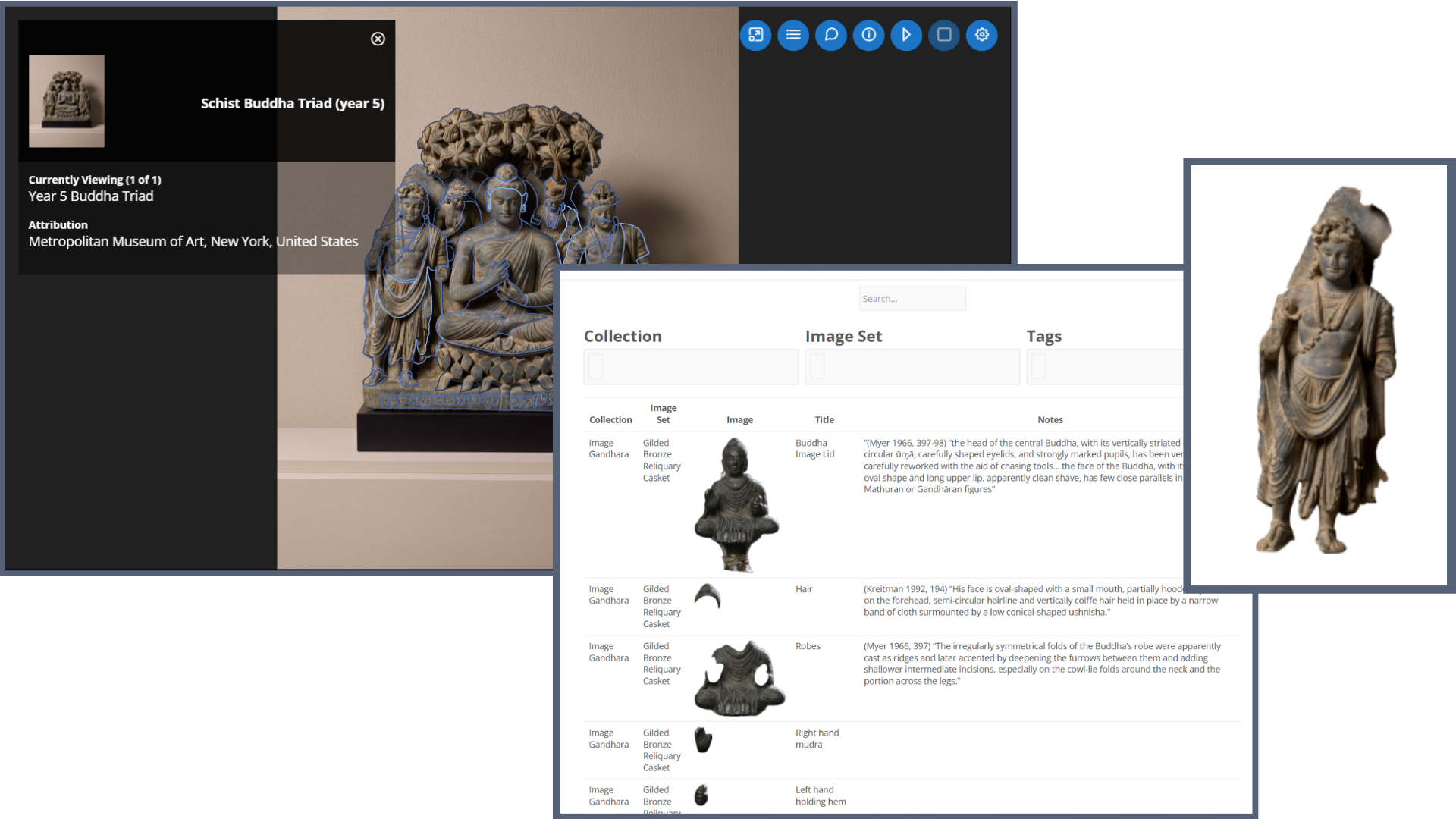
Rapidly develop non-traditional research outputs and collection exhibitions by embedding annotated images in your WordPress site. Glycerine Plugin for WordPress supports searchable galleries of annotated images, presentation carousels, and individual annotation segments.
It provides flexible configuration options to generate and publish virtual collections of annotations, their image segments, metadata, and content. The open-source plugin can be downloaded from the WordPress plugin store.
Licence: open source, GPLv2. Download Glycerine Plugin from the WordPress plugin directory.
Glycerine IIIF Viewer for Omeka S
Displays IIIF manifests in Omeka S item pages and site blocks using Glycerine Viewer, so an existing Omeka S collection can present annotated images without leaving the site.
Licence: open source, GPLv3.