
Host, annotate and publish IIIF images for research, interpretation and engagement.
Glycerine Workbench is a hosted IIIF platform for image hosting, IIIF manifest generation, collaborative annotation and publishing. It supports curatorial and exhibition design, scholarly image annotation, collaborative and community research, and research publishing. Whatever your workflow as a researcher or curator, Glycerine Workbench fits with it.
Curatorship and Exhibition Design
Create rich layers of interpretation around objects and artworks for exhibitions, research and public engagement.
- Add contextual information to objects
- Present annotations in a gallery-style viewer
- Publish selected annotations for public audiences
- Adapt annotation templates to different exhibition contexts
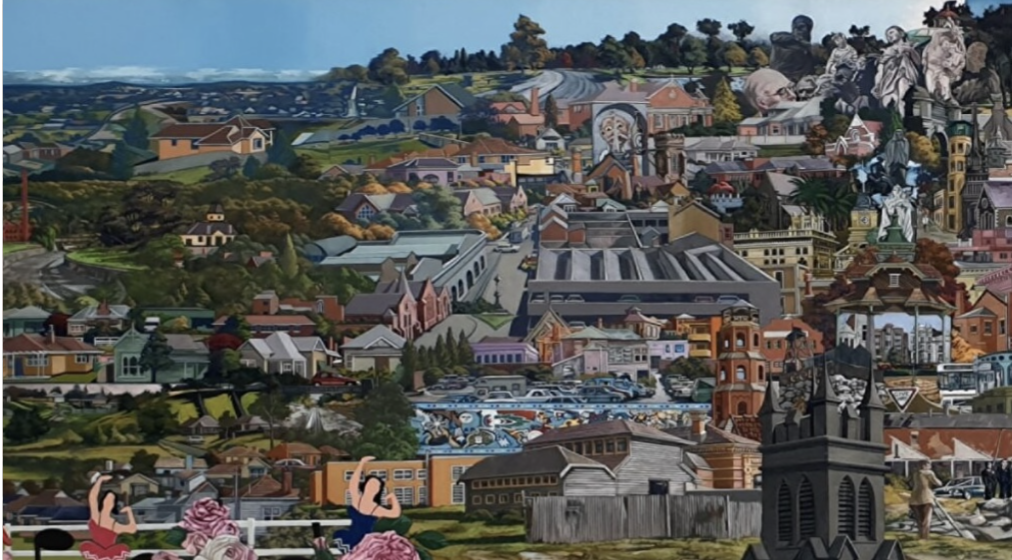
For the Eureka Centre’s exhibition of Ken Searle’s Ballarat (1998), Glycerine Viewer was deployed as a digital representation of the work to allow for community-generated interpretation and interaction.

Scholarly Image Annotation
Use detailed annotation layers to analyse and interpret artworks, objects, manuscripts, maps and other visual materials.
- Create structured annotations with notes, tags, references and multiple layers of scholarly interpretation.
- Create rich layers of interpretation around objects and artworks for exhibitions, research and public engagement.
For Buddhas and Bodhisattvas, Glycerine Workbench was used to create and publish detailed scholarly annotations for Gandhāran Buddha and Bodhisattva sculptures. Researchers could annotate specific features of each image, add iconographic analysis and connect observations with relevant terminology, references and research.
Collaborative and Community Research
Bring researchers, curators and contributors together to interpret shared materials. Different contributors can create their own perspectives while keeping annotations organised within the same project.
- Create structured annotations with notes, tags, references and multiple layers of scholarly interpretation.
- Bring together contributors from different institutions and disciplines to build a shared body of interpretation around the same material.
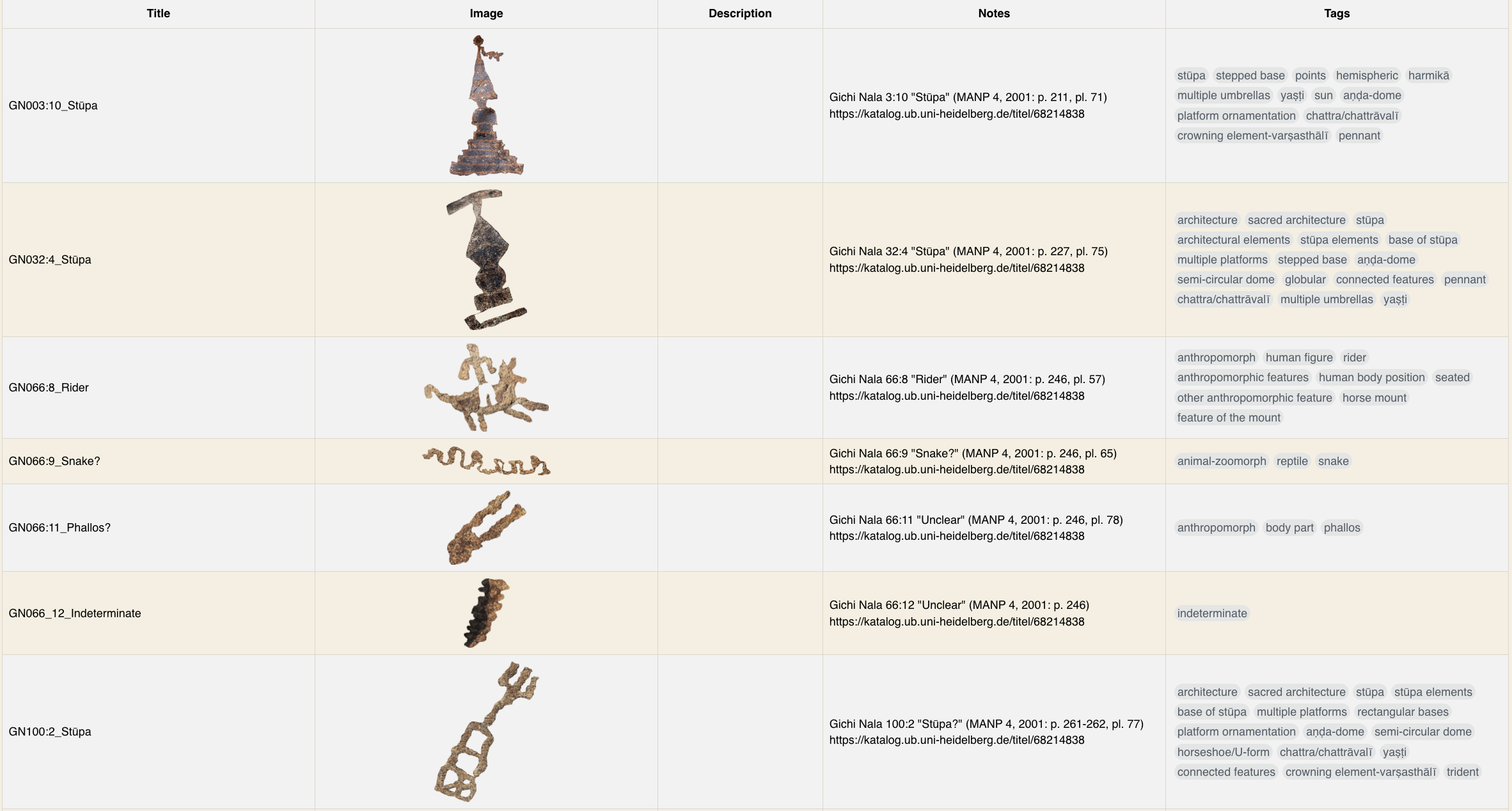
For the Upper Indus project, Glycerine Workbench was used to support collaborative annotation of petroglyphs and rock inscriptions along the Indus River. Researchers developed shared vocabularies and tagging conventions, allowing contributors to annotate IIIF images of rock art consistently while building a connected, searchable record of interpretation across the collection.

Research Publishing
Turn annotated images and research into publicly accessible digital outputs. Share annotated images, research findings and contextual information with academic, cultural and public audiences.
- Publish structured annotations, tags and references alongside images so audiences can explore both the material and the scholarship behind it.
- Present research findings and contextual information as a non-traditional research output, built for public, academic and cultural audiences alike.
For Opening the Multilingual Archive of Australia (OMAA), Glycerine Workbench was used to bring together thousands of annotated records from collections in languages other than English, reframing Australia’s history of migration and settlement. Researchers, students and the public can browse and search this material by language, historical period and theme, giving access to scholarship that would otherwise be scattered across national and international institutions and archives.