
Add image annotation capability across your collections infrastructure and contributor networks.
Glycerine is built to integrate with the systems institutions already run. Rather than asking you to migrate collections into a new platform, Glycerine’s modules fit into your existing digital asset management, collections management and website infrastructure. Whether you’re supporting a single research project or building annotation into your institution’s long-term collections workflow, Glycerine is built to adapt to your organisational requirements.
Infrastructure Integration
Connect Glycerine to your existing digital asset, collections and web content management systems.
- Host Glycerine Server within your own IIIF infrastructure.
- Access the full Glycerine API for custom integration.
- Use Glycerine Image Server, a scalable IIIF image server built on Cantaloupe
- Aggregate annotation collections with your authoritative IIIF manifests.


Enhance Curatorial Workflows
Give curators, researchers and collections staff annotation tools inside the workflows they already use, rather than a separate application to learn. This keeps images connected to their curatorial context, so no detail or documentation gets lost along the way.
- Embed Glycerine Editor directly in your collections management system.
- Support internal curatorial workflows alongside external contributor access.
- Maintain a single source of truth for annotation data across teams
- Extend to gallery-style public annotation viewing for consideration in exhibition displays.
Cross-Institutional Collaboration
Support research and curatorial projects that span multiple institutions, each contributing to a shared, connected body of annotation.
- Coordinate shared vocabularies and tagging conventions across contributing institutions.
- Maintain distinct collections while linking annotations into one searchable record.
- Support contributors working from different collections management systems.
- Bring multi-institutional annotation sets under one overarching manifest.
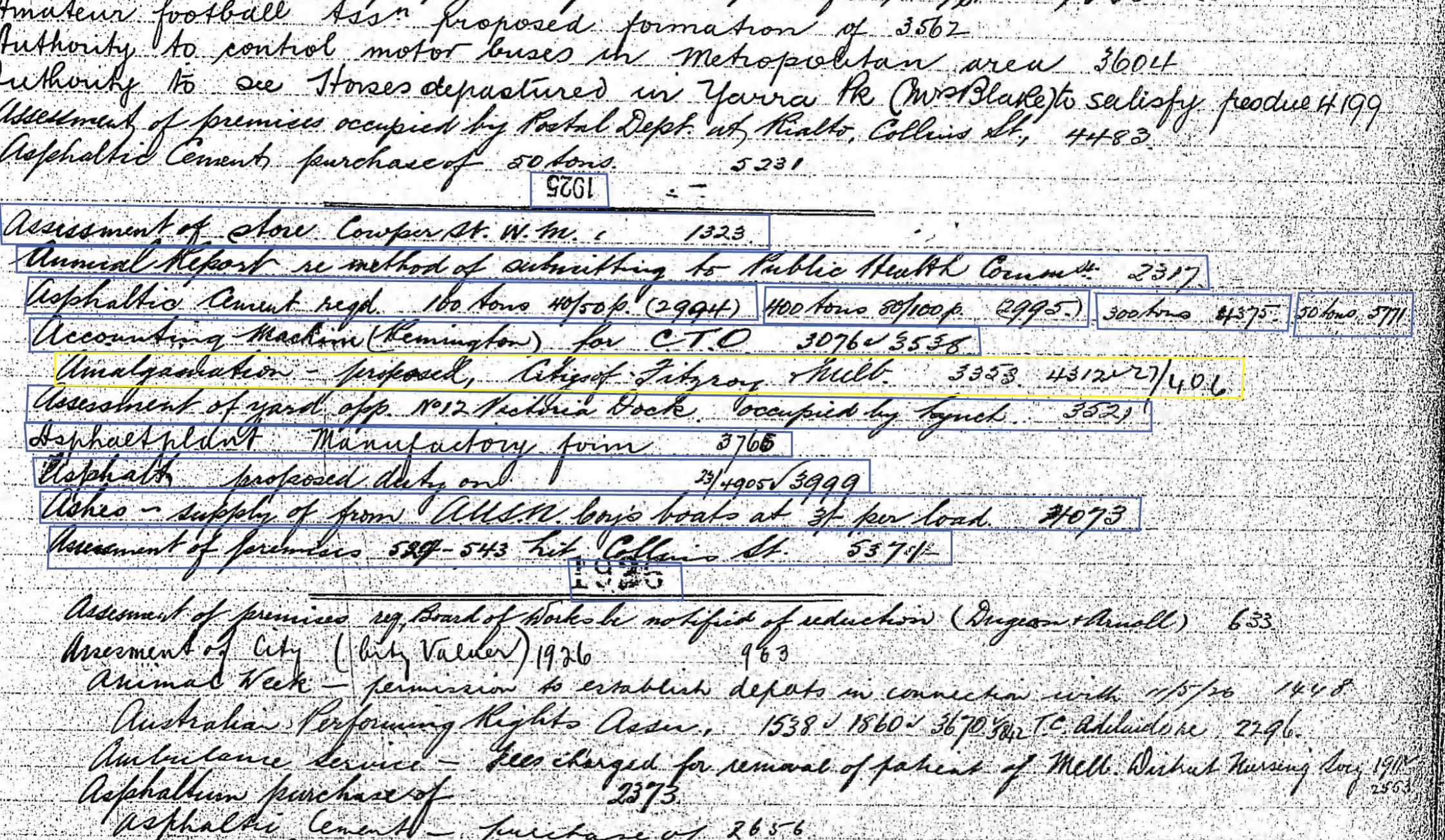
For Mapping Municipalities, The University of Melbourne partnered with the State Library of Victoria and the Public Records Office Victoria to annotate historical maps of Melbourne municipalities using town clerks’ correspondence, revealing the administrative networks that shaped local governance and urban development. Glycerine Workbench and Viewer were deployed to implement scholarly annotation sets spanning all three collecting institutions.
Sustainable, Open Source Deployment
Glycerine Server and Editor are open source, developed and maintained by Systemik, and sustained through annual subscription rather than proprietary lock-in.
- Access GitHub-based support or a service-level agreement.
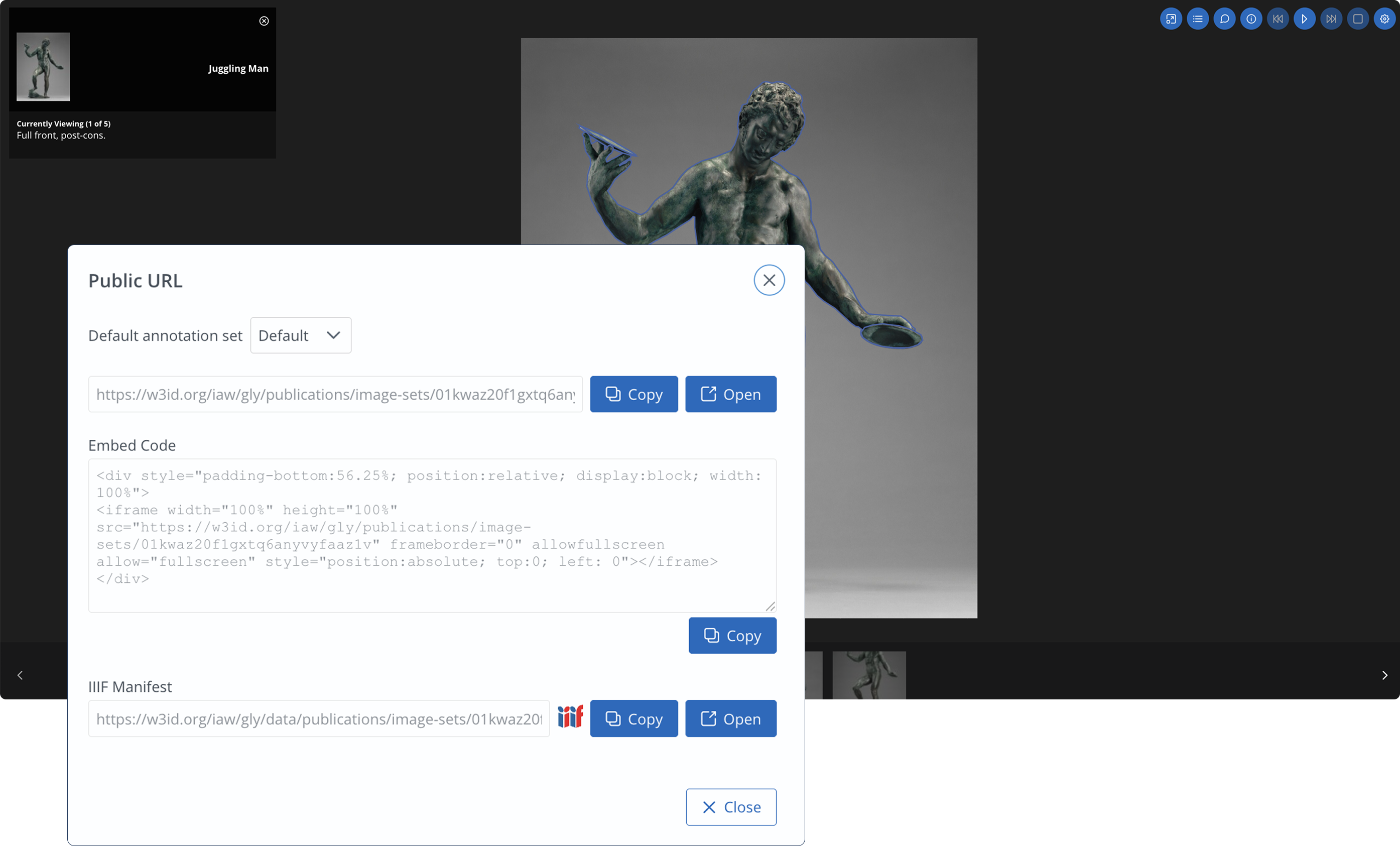
- Glycerine builds strictly on IIIF standards, meaning collections created in Glycerine remain interoperable with a vast array of other global museum and library digital tools.