Glycerine IIIF platform, built by Systemik Solutions on the IIIF standard, is architected as six independently usable modules designed to slot into infrastructure you already have.
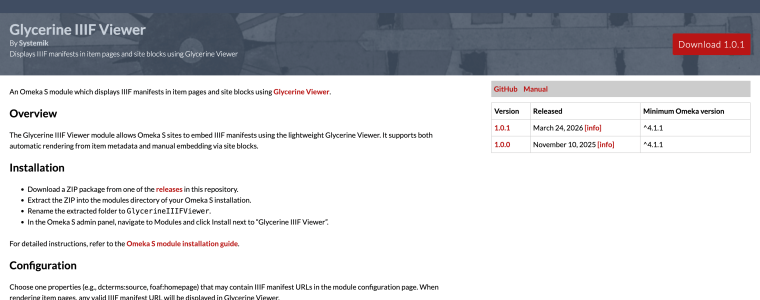
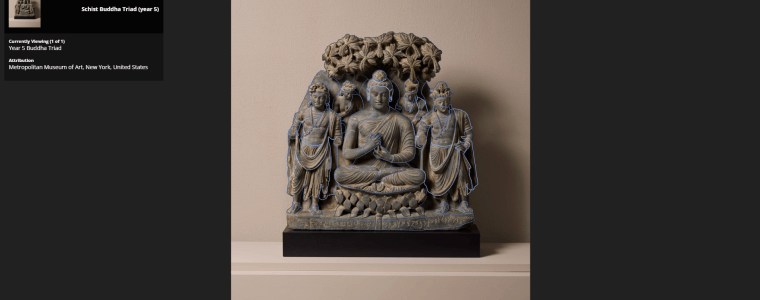
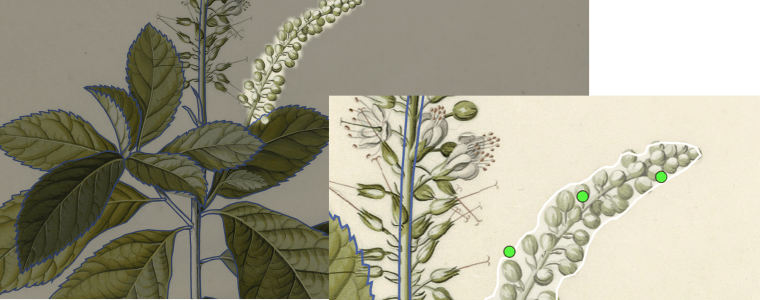
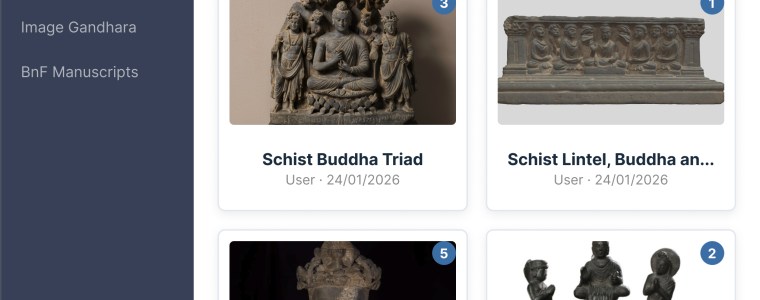
Glycerine Workbench, Glycerine Viewer, Glycerine Plugin for WordPress, and Glycerine IIIF Viewer for Omeka S are the front-end layer. Glycerine Workbench functions as the full collaborative environment, where researchers and curators build and share annotations using configurable templates and IIIF-compliant workflows. Glycerine Viewer is open source, supports the IIIF Presentation API, and ships as a Vue 3 component that also embeds in any JavaScript framework. If you just need to render manifests and annotations built elsewhere, Glycerine Viewer works as a drop-in piece rather than a full platform commitment. Glycerine Plugin for WordPress and Glycerine IIIF Viewer for Omeka S do the equivalent job for WordPress and Omeka S, exposing annotated collections as galleries and carousels through configuration rather than custom code.
Glycerine Server and Glycerine Editor are where the integration work happens. Glycerine Server exposes the backend data model and APIs, including a IIIF image server built on Cantaloupe, so your existing digital asset management system can talk to Glycerine Server. Glycerine Editor takes this further: it embeds Glycerine Workbench’s annotation tools directly inside your CMS, allowing curators to author annotations in the environment they already use, while Glycerine Server runs in the background to enable seamless collaboration.